%20%20--%3E%0A%3Csvg%20version%3D%221.1%22%20id%3D%22Layer_1%22%20xmlns%3D%22http%3A%2F%2Fwww.w3.org%2F2000%2Fsvg%22%20xmlns%3Axlink%3D%22http%3A%2F%2Fwww.w3.org%2F1999%2Fxlink%22%20x%3D%220px%22%20y%3D%220px%22%0A%09%20viewBox%3D%220%200%20684.6%2068.1%22%20style%3D%22enable-background%3Anew%200%200%20684.6%2068.1%3B%22%20xml%3Aspace%3D%22preserve%22%3E%0A%3Cg%3E%0A%09%3Cpath%20d%3D%22M444.1%2C29.3h-17.4v14.5h17.4V29.3z%20M36.4%2C68.1l29.3-50.8V0H50.4L32.9%2C36.8L15.5%2C0H0v68.1h16.7V45.8l12.4%2C22.3H36.4z%0A%09%09%20M49.1%2C68.1h16.6V23.4L49.1%2C52.1V68.1z%20M76.6%2C68.1h45V53.8H93.3V41.6h21V27.1h-21V14.8h28.3V0.1h-45V68.1z%20M175.6%2C68.1h17.3v-68%0A%09%09h-16.5v40.3L150%2C0.1h-17.6v68h16.7V27.7L175.6%2C68.1z%20M235.8%2C14.8h15.4V0.1h-47.4v14.7H219v53.2h16.8V14.8z%20M290.3%2C45.9h-17.1%0A%09%09l7.5-15.6h2L290.3%2C45.9z%20M298.7%2C68.1h18l-32.2-68h-5.7l-32%2C68h18l3.3-7.1h27.1L298.7%2C68.1z%20M325.2%2C68.1h46.2V53.8h-29.6V0.1h-16.7%0A%09%09V68.1z%20M423.7%2C14.8h27.2V0.1H407v68h16.7V14.8z%20M462%2C68.1h46.2V53.8h-29.6V0.1H462V68.1z%20M564.8%2C34.1c0%2C10.7-7.2%2C19.2-18.5%2C19.2%0A%09%09c-11.4%2C0-18.5-8.5-18.5-19.2s7.1-19.2%2C18.5-19.2C557.6%2C14.9%2C564.8%2C23.4%2C564.8%2C34.1%20M580.6%2C34.1c0-19-14.2-34-34.3-34%0A%09%09c-20.2%2C0-34.3%2C15-34.3%2C34c0%2C19%2C14.1%2C34%2C34.3%2C34C566.4%2C68.1%2C580.6%2C53.1%2C580.6%2C34.1%20M604.8%2C20.5c0-4.1%2C3.3-6.2%2C6.7-6.2%0A%09%09c4.4%2C0%2C6.6%2C3%2C6.6%2C6.6h14.7C631.8%2C9.1%2C625.1%2C0.1%2C611%2C0.1c-12%2C0-21.7%2C9.3-21.7%2C20.6c0%2C10.9%2C5.9%2C15.9%2C16.7%2C19.8%0A%09%09c5.2%2C1.8%2C11.5%2C3.2%2C11.5%2C8c0%2C3.3-2.4%2C5.5-6.4%2C5.5c-3.6%2C0-6.6-3-6.6-6.7h-15.2c0%2C11.5%2C7.9%2C20.8%2C21.8%2C20.8c12%2C0%2C21.6-9.3%2C21.6-20.6%0A%09%09c0-10-5.3-16.4-16.7-19.8C610.6%2C26.1%2C604.8%2C25.3%2C604.8%2C20.5%20M670%2C20.9h14.7C683.8%2C9.1%2C677.1%2C0.1%2C663%2C0.1c-12%2C0-21.7%2C9.3-21.7%2C20.6%0A%09%09c0%2C10.9%2C5.9%2C15.9%2C16.7%2C19.8c5.2%2C1.8%2C11.5%2C3.2%2C11.5%2C8c0%2C3.3-2.4%2C5.5-6.4%2C5.5c-3.6%2C0-6.6-3-6.6-6.7h-15.2c0%2C11.5%2C7.9%2C20.8%2C21.8%2C20.8%0A%09%09c12%2C0%2C21.6-9.3%2C21.6-20.6c0-10-5.3-16.4-16.7-19.8c-5.4-1.6-11.3-2.4-11.3-7.2c0-4.1%2C3.3-6.2%2C6.7-6.2C667.7%2C14.4%2C670%2C17.3%2C670%2C20.9%0A%09%09%22%2F%3E%0A%3C%2Fg%3E%0A%3C%2Fsvg%3E%0A)

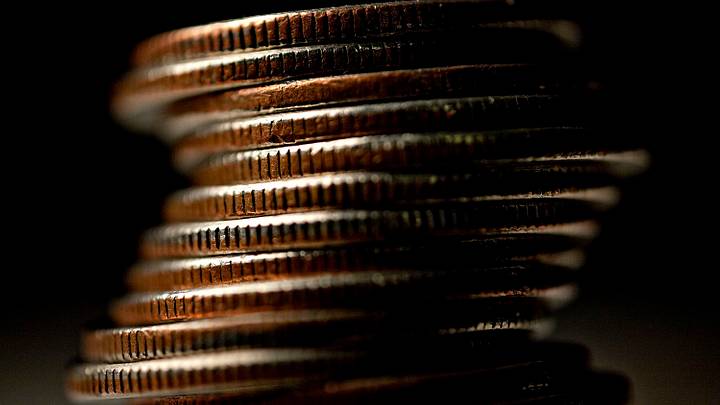
Today, pocket change may be more of a metaphor than a literal fixture in our lives, but that feeling of palming a pile of coins—ridged edges, engravings, and all—never goes away. But have you ever wondered why those edges aren’t smooth? It turns out they were a fix for 17th-century coin thieves. The fact that we still have them today is a surprising piece of living history.
Those stylish rims you might have noticed on U.S. dimes, quarters, half dollars, and some dollar coins are called "reeded edges." They’ve been on American currency almost since day one as a way of keeping people honest. But in an era of digital wallets and contactless payments, why are they still there?
A Mint in the Making
The United States Mint built its first minting facility in Philadelphia in 1792. The following March, it produced its first batch of circulating coins: 11,178 copper pennies. The silver coins that soon followed were linked to a silver standard, per the Coinage Act of 1792.
This meant the “major” coins were at least partially made up of the precious metal (the first dollar coin, from 1794, was 89.25% silver and 10.75% copper). Silver dollars contained about a dollar’s worth of silver, while half dollars, quarters, and dimes maintained a proportionate metallic content and size.
Reeded edges served a two-fold security purpose for silver coins. One, they added an additional, intricate element to the coins that made them more difficult to counterfeit. Two, they prevented fraud.
The War on Coin Clippers

For as long as coins have been made from precious metal, a fairly common way to make a quick, ill-gotten buck has been coin clipping. Clippers would shave off a tiny amount of metal all the way around the rims of a bunch of coins, collect the shavings, then sell them.
Working carefully, a coin clipper could trim enough off coins to make a nice profit, but not so much as to make them noticeably lighter or smaller. A clipper could then still go out and spend his devalued coins as if they were unaltered. Reeded edges ruined this scheme, since a shaved edge would be immediately obvious and alert anyone who received one that something was wrong.
Why don’t nickels and pennies have reeded edges? Nickels and pennies are mainly composed of inexpensive metals, so the chances that they would be tampered with are low.
Before their adoption by the U.S. Mint, reeded edges were also used in the U.K. When the physicist Isaac Newton became warden of the Royal Mint in 1696, he used reeded edges, among other means, to combat clippers and counterfeiters. Other European coins from as far back as the early 1500s also feature reeded edges.
More Than Just a Security Measure

Due to the abandonment of the silver standard and a worldwide silver shortage in the mid-20th century, the Coinage Act of 1965 authorized a change in the composition of dimes, quarters, and half-dollars, gradually shrinking their silver content down to the present-day 0%.
Coin clipping is no longer a problem, but reeded edges are still around, a centuries-old security measure hanging on in an age where people pay for things with their smartphones instead of digging out change. The sheer longevity of the feature is impressive. So, how did this security measure survive into the modern era?
Coins are made by stamping coin blanks with a metal tool called a die. The die is engraved with the negative of a coin’s design, and the positive image is transferred to the coin when stamped. When the coins are struck, a part of the die called the collar holds the blank in place and applies the edge.
When the silverless coins were first produced, the government didn’t see any need to make or buy expensive new dies or collars. Keeping the reeding wouldn’t hurt anyone, they figured, so the new coins were struck from the same old dies as the old ones, and reeding continued to be used as a matter of tradition and backwards compatibility.
Newer coins with updated designs (state quarters, new portraits) also have reeded edges. The design element lived to see another day on the new dies because reeding is useful for distinguishing coins by feel as well as appearance, making them more user-friendly for the visually impaired.
The Official Ridge Count

If you gather up a bunch of coins, you’ll see that not all reeded edges are created equal. The number and size of reeds on coins isn’t dictated by law, so individual U.S. Mints were long free to make their reeds to their own in-house specifications, leading to distinct style differences between coins from different mints and eras.
Rare dimes from the now-defunct Carson City Mint’s 1871 to 1874 runs, for example, have 89 broad, widely spaced reeds. The dimes made by the Philadelphia Mint in those same years have 113 thin, tightly-spaced reeds.
Things are a little more standardized now; the Mint lists its reeding specifications as follows: dimes, 118; quarters, 119; half dollars, 150; dollar, lettered.